
Family offices in India are increasingly treating real estate as a strategic asset class rather than a lifestyle purchase. With Gurgaon emerging as a leading luxury property market, successful allocations focus on corridor diversification, residential-commercial balance, tax-efficient structures, and long-term wealth preservation. A disciplined framework covering asset mix, risk management, ownership planning, and exit strategy helps family offices achieve stronger IRRs while avoiding concentration risk and maximizing portfolio resilience.
Most family offices approaching family office real estate investment india still treat residential property as a lifestyle decision dressed in financial language. They allocate based on emotional preferences, geographic familiarity, or whichever developer presented last. That is portfolio-by-accident, not portfolio-by-design. In 2026, with Indian UHNW population having grown 63 percent over five years and a 32 percent average wealth allocation to residential real estate, that approach leaves IRR on the table and concentrates risk poorly.
The right question is not "should our family office buy property in Gurgaon." It is "what is the strategic allocation, the corridor mix, the ticket structure, the tax architecture, and the exit framework that captures the return without concentrating the risk." For family offices managing Rs 100 crore to Rs 1,000 crore plus, real estate is a serious portfolio sleeve, not a status purchase. This is the allocation framework that treats it that way.
|
Family Office Profile |
What to Do |
|
Newly formed FO, allocating first Rs 20 to 50 Cr to RE |
Anchor in DLF 5 trophy + Dwarka Expressway growth, 60/40 split |
|
Mature FO, rebalancing existing residential RE concentration |
Shift incremental capital into commercial pre-leased for yield diversification |
|
Multi-generational FO with succession in mind |
Structure ownership via trusts, consider land and plot assets |
|
FO allocating purely on developer relationships and lifestyle preferences |
Recalibrate. Lifestyle outcomes are a byproduct of strategy, not a substitute for it |
If your real estate portfolio grew by accumulation rather than allocation, it needs review. If this is not you, stop here.
India's UHNW population (US$ 30 million plus) climbed from roughly 12,000 in 2021 to nearly 20,000 in 2026, a 63 percent expansion in five years. Knight Frank forecasts another 77 percent growth in the billionaire cohort between 2026 and 2031. Indian UHNWIs allocate 32 percent of their wealth to residential real estate, with 14 percent of that residential portfolio held outside India. The average Indian UHNWI owns 2.57 homes, and 28 percent rent out their second homes.
Inside that allocation, Gurgaon now sits at the centre of HNI and UHNW residential demand. CBRE, JLL, Knight Frank, and Anarock all flag Gurgaon among the highest-growth luxury residential markets in 2025, with premium property prices rising 12 to 20 percent in several key micro-markets. The family office real estate investment india story in 2026 is increasingly a Gurgaon story, with Mumbai retaining trophy prestige and Bangalore providing yield diversification.
Use Cycle Positioning at the macro level. The RBI cut policy rates 125 basis points through 2025, with the repo holding at 5.25 percent through 2026. Inflation sits within target; GDP growth is projected near 7 percent. Lower borrowing costs support leveraged FO acquisitions, while subdued debt yields make real estate's 8 to 14 percent commercial yields and 10 to 16 percent residential IRRs comparatively attractive. The cycle favours capital deployment in 2026 over capital preservation in cash. Indian prime residential is also benefiting from global wealth mobility, with returning NRIs and global Indian UHNWIs adding to domestic demand.
Indian UHNW portfolios are typically overweighted toward residential, often 80 percent or more of their RE allocation. That concentration is historic, not strategic. Residential luxury yields 2 to 3.5 percent gross. Commercial pre-leased delivers 7 to 14 percent gross. A family office rebalancing toward 70 percent residential and 30 percent commercial can lift blended yield from 3 to 4 percent toward 6 to 7 percent without significant additional risk, since both asset classes draw on the same Gurgaon corporate demand base.
Within Gurgaon residential, a balanced FO allocation looks like:
Mature anchor (40 to 50 percent): Golf Course Road and DLF 5 trophy assets. Capital preservation, deepest exit liquidity, brand-equivalent global recognition. Yield 2.5 to 3.5 percent, appreciation 8 to 12 percent.
Active growth (30 to 40 percent): Golf Course Extension Road, Dwarka Expressway, branded residences. Best blended return profile. Yield 4 to 5 percent, appreciation 12 to 18 percent.
Pre-maturity tactical (10 to 20 percent): SPR, Sectors 76-77, new Sohna Master Plan 2031 sectors. Highest percentage upside, longest hold, highest timeline risk.
A single Rs 30 Cr trophy unit concentrates corridor, developer, and tenant risk. Three Rs 10 Cr assets across two corridors and two developers spread that risk meaningfully without sacrificing per-asset quality. For most family offices, a 3 to 5 asset Gurgaon allocation between Rs 50 Cr and Rs 100 Cr is more durable than a single trophy purchase at the same total ticket, with the trade-off being slightly higher transaction friction and management overhead.
Long-term capital gains at 12.5 percent without indexation post 23 July 2024 (or 20 percent with indexation on older assets) is the headline rate. Section 54 reinvestment, Section 54EC at Rs 50 lakh annual bond cap, and structuring ownership via private trusts or HUFs are the standard FO tools. Ownership in spouse or female family member name attracts 5 percent stamp duty vs 7 percent for male, a Rs 10 lakh saving per Rs 5 Cr asset that compounds across a multi-asset allocation. Plan exits across financial years to maximise Section 54EC capacity.
Scenario A: The Rs 50 Cr First Allocation. A newly formed FO allocates Rs 50 Cr to Gurgaon. Mix: Rs 22 Cr in DLF 5 trophy (Magnolias or Aralias), Rs 18 Cr in M3M Altitude or Trump Tower Sector 65, Rs 10 Cr in Dwarka Expressway Sobha Altus or Whiteland Westin. Blended yield: 3.2 percent. Blended appreciation: 11 percent. Net IRR after costs and tax: 11 to 13 percent. Liquid, branded, geographically diversified within Gurgaon.
Scenario B: The Rs 100 Cr Diversified Allocation. Mature FO allocates Rs 100 Cr across 5 assets. Mix: Rs 35 Cr DLF Camellias (one unit), Rs 25 Cr Trump Tower Sector 65 (2 units), Rs 20 Cr Krisumi Waterfall Residences (3 units), Rs 10 Cr pre-leased Grade A office GCER, Rs 10 Cr SCO commercial in Sector 82 or 114. Blended yield: 5.8 percent. Blended appreciation: 11 percent. Net IRR: 13 to 15 percent. Diversified across residential and commercial, mature and growth.
Scenario C: The Rs 25 Cr Tactical Add. Existing FO adds Rs 25 Cr to a Gurgaon-light portfolio. Mix: Rs 15 Cr in Dwarka Expressway Sector 84 (Twin Tower DXP or Krisumi), Rs 10 Cr in SPR pre-maturity or new Sohna premium floors. Yields modest at 4 percent, but the appreciation runway is the highest in Gurgaon at 14 to 18 percent. Net IRR target: 14 to 17 percent on a 5 to 7 year hold.
|
FO Stage |
Allocation |
Strategy |
Hold Period |
|
First-time FO RE entry |
Rs 20 Cr to Rs 50 Cr |
60% mature + 40% growth, residential focus |
7 to 10 years |
|
Rebalancing FO |
Rs 50 Cr to Rs 200 Cr |
70% residential + 30% commercial pre-leased |
10 years plus |
|
Multi-generational FO |
Rs 100 Cr plus |
Trust ownership, land plus apartments, sustainability tilt |
15 years plus |
|
Tactical addition |
Rs 10 Cr to Rs 30 Cr |
Pre-maturity corridors for upside, lower ticket diversification |
5 to 7 years |
If your FO has accumulated 60 percent or more of its wealth in real estate already, additional allocation concentrates risk. Rebalance into commercial pre-leased or alternative classes before adding residential. If your succession planning is unresolved, large single-asset purchases create estate complications; structure via trusts. If you cannot commit to a 7 to 10 year hold, Gurgaon residential's transaction cost stack of 7 to 12 percent in plus 3 percent out plus 12.5 percent LTCG erodes shorter-hold returns. If your FO requires quarterly liquidity, commercial pre-leased monthly rental is your bridge; physical asset liquidation will not deliver on that timeline.
|
What Matters |
What Is Noise |
|
Strategic allocation framework, not deal-by-deal |
Developer relationships without portfolio fit |
|
Net IRR after costs and tax |
Gross appreciation headlines |
|
Corridor cycle stage matched to hold period |
Citywide growth narratives |
|
HRERA registration and developer delivery record |
Pre-launch invitation events |
|
Trust structures and Section 54EC planning |
Tax savings claimed without legal architecture |
|
Asset diversification across corridors and developers |
Single trophy concentration |
Five Timing Triggers are shaping the FO entry window in 2026. The RBI's 125 basis points of 2025 cuts and the repo's hold at 5.25 percent through 2026 lower the cost of leveraged FO acquisitions. Dwarka Expressway's August 2025 inauguration is repricing Sectors 88 to 113 in real time, with Global City Phase 1 completion confirmed for December 2026. The April 2026 circle rate hike (up to 75 percent) raised the official price floor and forced market repricing across all corridors. India's UHNW population growing 63 percent in five years is deepening the buyer pool at the top of the market. And the new LTCG regime post 23 July 2024 means succession-planning structures need refresh for new acquisitions.
Your Entry Strategy at the FO level is policy first, asset second. Define the target real estate allocation as a percentage of total AUM. Set the residential vs commercial split. Set the corridor mix (mature, growth, pre-maturity). Set the asset count target (3 to 5 assets typical for Rs 50 to Rs 200 Cr allocation). Establish ownership structures (trusts, HUFs, individual names) and tax architecture (Section 54EC staggering, Section 54 reinvestment windows) before the first booking. Only then deploy capital project by project, with HRERA verification and developer track record at every entry. Treat each booking as a portfolio addition, not a standalone purchase.
The location-specific Risk for FO capital is concentration and timeline. Concentration risk arises when multiple assets sit in the same corridor with the same developer; correlate corridor downturns and developer events. Mitigate via cross-corridor and cross-developer diversification. Timeline risk arises in pre-maturity allocations where infrastructure triggers run 12 to 24 months behind schedule; build slippage into the IRR model rather than the optimistic case. A third risk is governance: large allocations require professional asset management (lease administration, tenant relations, maintenance oversight, tax filings) that family offices often underestimate. Budget for it explicitly.
Price-based exit: sell when an asset's net per-square-foot value reaches a clear premium over recent comparable transactions in the same project. Rebalance proceeds across the portfolio rather than reinvesting in the same asset class. Event-based exit: major infrastructure completions (Global City phases, metro extensions, expressway sections) and record sale events in the same project peak buyer attention; exit liquidity is highest in the months following. Time-based exit: 7 to 10 years for mature anchor assets, 5 to 7 years for growth, 6 to 8 years for pre-maturity. Plan exits across financial years to maximise Section 54EC bond reinvestment capacity (Rs 50 lakh per FY) and to stagger LTCG events.
The family office real estate investment india story in 2026 is not about whether to allocate to property. With Indian UHNW wealth allocating 32 percent to residential RE and Gurgaon among the highest-growth markets in 2025, the case is well-established. The decision is how to allocate: framework before deal, policy before asset, diversification before concentration, and net IRR before headline appreciation. A Rs 50 Cr to Rs 200 Cr Gurgaon allocation structured across 3 to 5 assets in mature, growth, and pre-maturity corridors, with residential and commercial yield diversification and proper tax and trust architecture, captures the asset class's return without concentrating its risk. Random accumulation does not. Build the framework, then deploy.
If your family office is allocating Rs 25 Cr to Rs 500 Cr to Indian real estate in the next 12 months, the strategic framework matters more than any single deal. ZYN33 and Strata Capital Holdings serve family offices, HNI principals, and wealth managers with private portfolio consultations covering corridor mix, asset structuring, tax architecture, and succession planning. We do not chase buyers. We bring institutional-grade analysis to a private advisory conversation, not a sales pitch.
Strata Capital Holdings tracks live price band shifts, infrastructure trigger timelines, and inventory movement across Gurgaon's corridors in real time. We bring that intelligence to every capital allocation conversation. We do not sell projects. We convert informed intent into transactions.
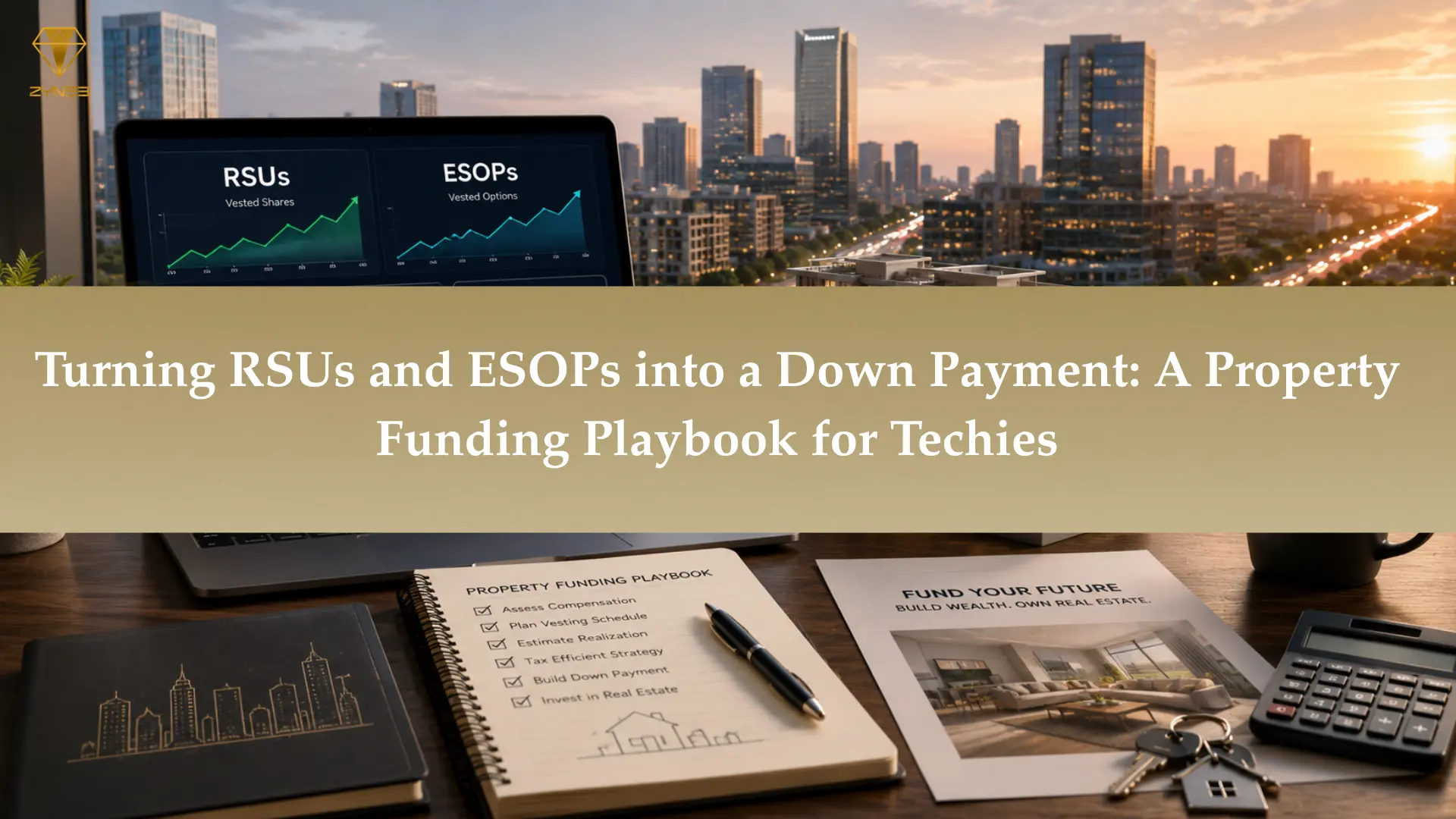
Vested RSUs can help fund a first home in Gurugram, but the actual down payment depends on net proceeds after taxes. US-listed RSUs generally require a 24-month holding period for long-term treatment, while Indian-listed shares qualify after 12 months. Splitting sales across financial years, claiming eligible foreign tax credits, and maintaining Schedule FA compliance can reduce tax leakage. Buyers should plan liquidation first, then determine their property budget with professional tax guidance.
View More
DLF The Aureva (formerly DLF Arbour Senior Living) introduces Gurugram’s ultra-luxury senior living segment on Golf Course Extension Road. The investment opportunity is driven by DLF’s brand, limited inventory, premium location, and long-term appreciation potential. However, investors should carefully evaluate pre-RERA risks and consider a refundable EOI before booking. This project suits patient investors seeking capital appreciation with a 2030-plus investment horizon rather than rental income.
View More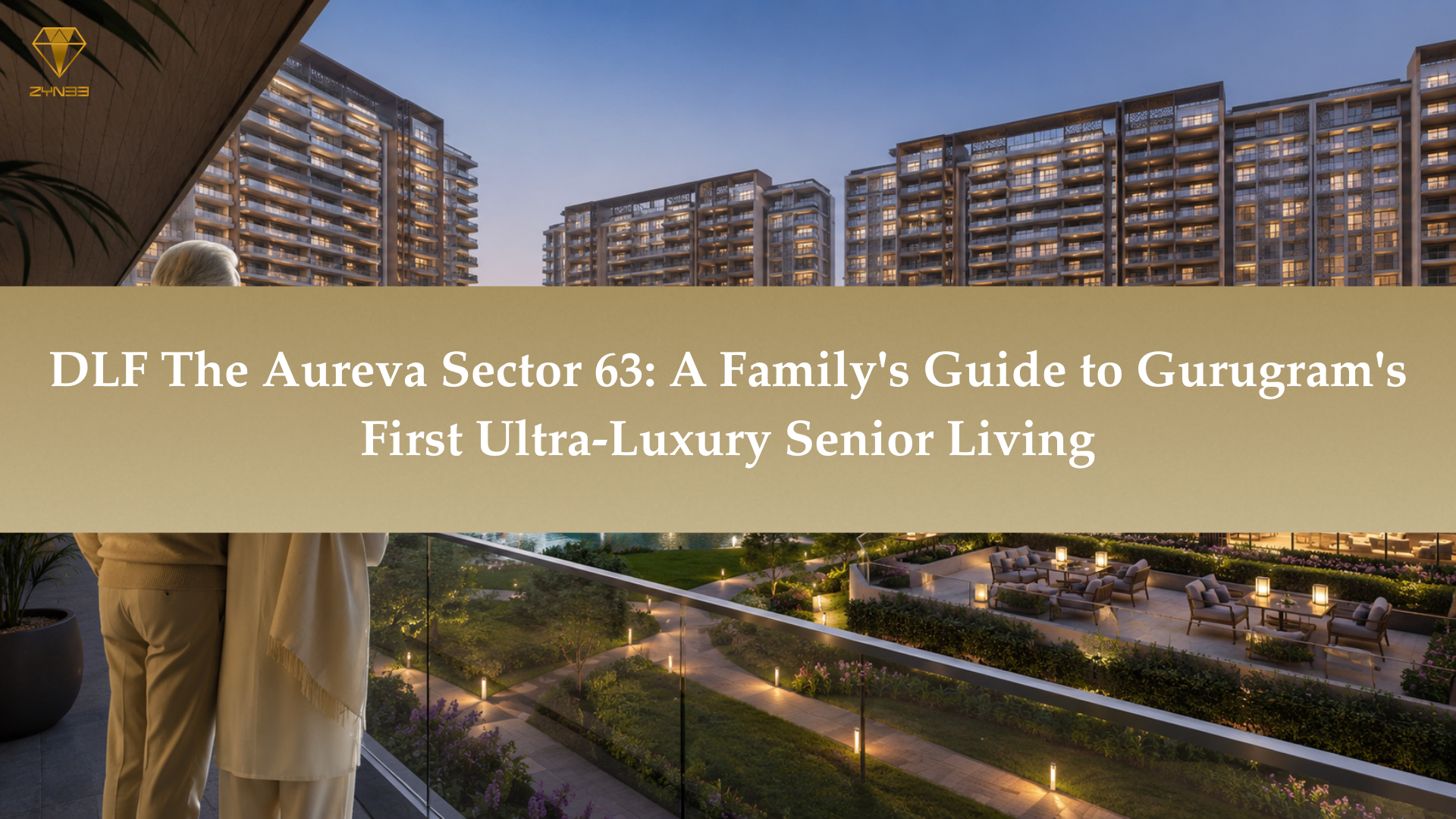
DLF Arbour Senior Living introduces a premium retirement living concept in Gurugram, combining luxury residences with wellness, healthcare support, security, and community-focused amenities. This guide explains the Expression of Interest (EOI) process, highlights key project features, explores location advantages, and evaluates whether booking during the early launch stage offers better pricing and long-term investment potential for homebuyers and investors seeking quality senior living.
View More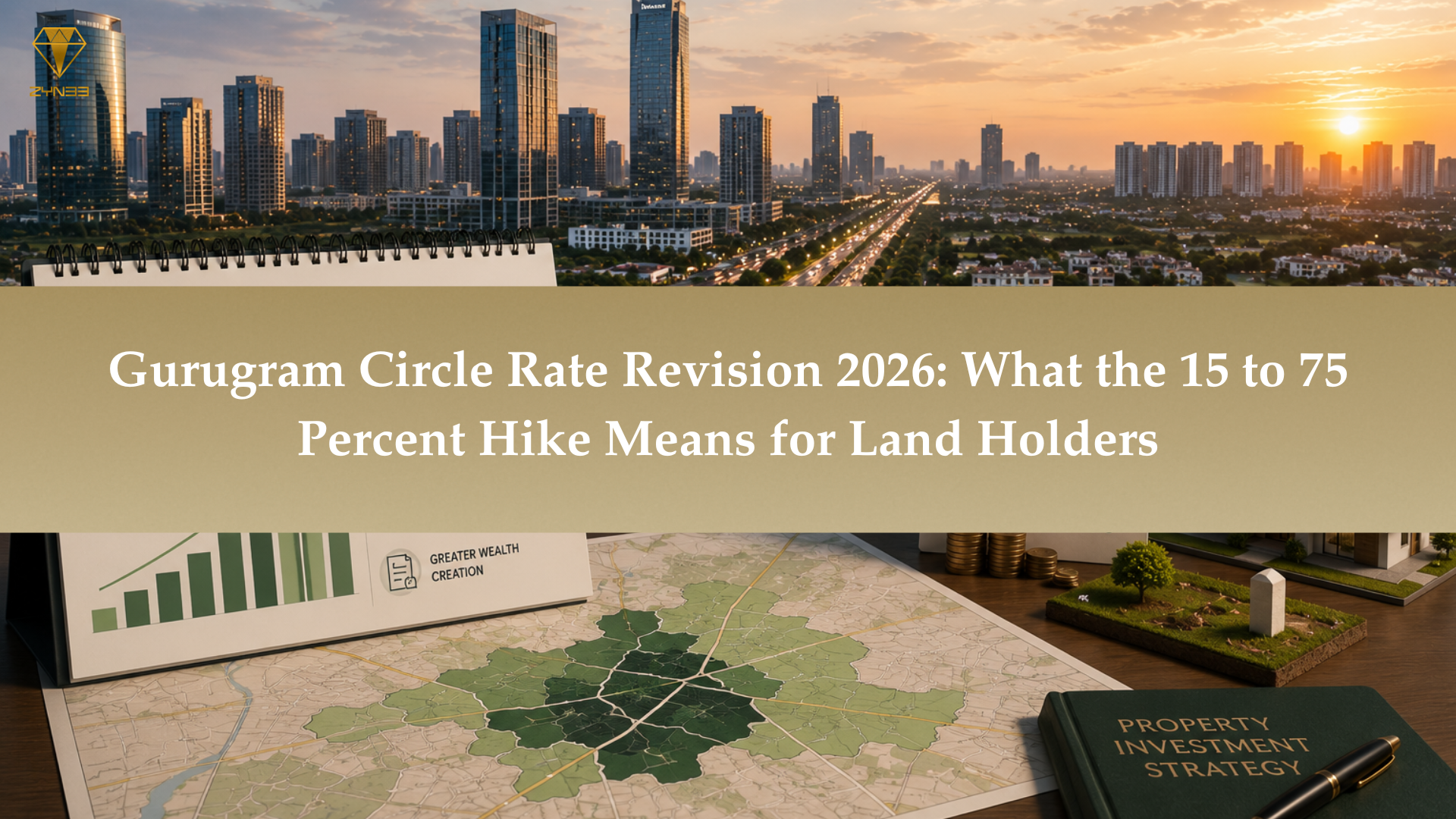
Gurugram has revised circle rates for 2026, with increases ranging from 15 to 75 percent across sectors and corridors. The revision resets the government benchmark used for stamp duty, registration charges and capital gains computation. For land holders, the impact is twofold: higher transaction costs on registries, and a stronger official floor under declared valuations. It breaks down which corridors carry the steepest hikes and how holders should reprice exits.
View More
Sector 95 Gurgaon is emerging as a top choice for budget buyers, offering affordable homes, steady price growth, and strong long-term potential for families and NRIs.
View More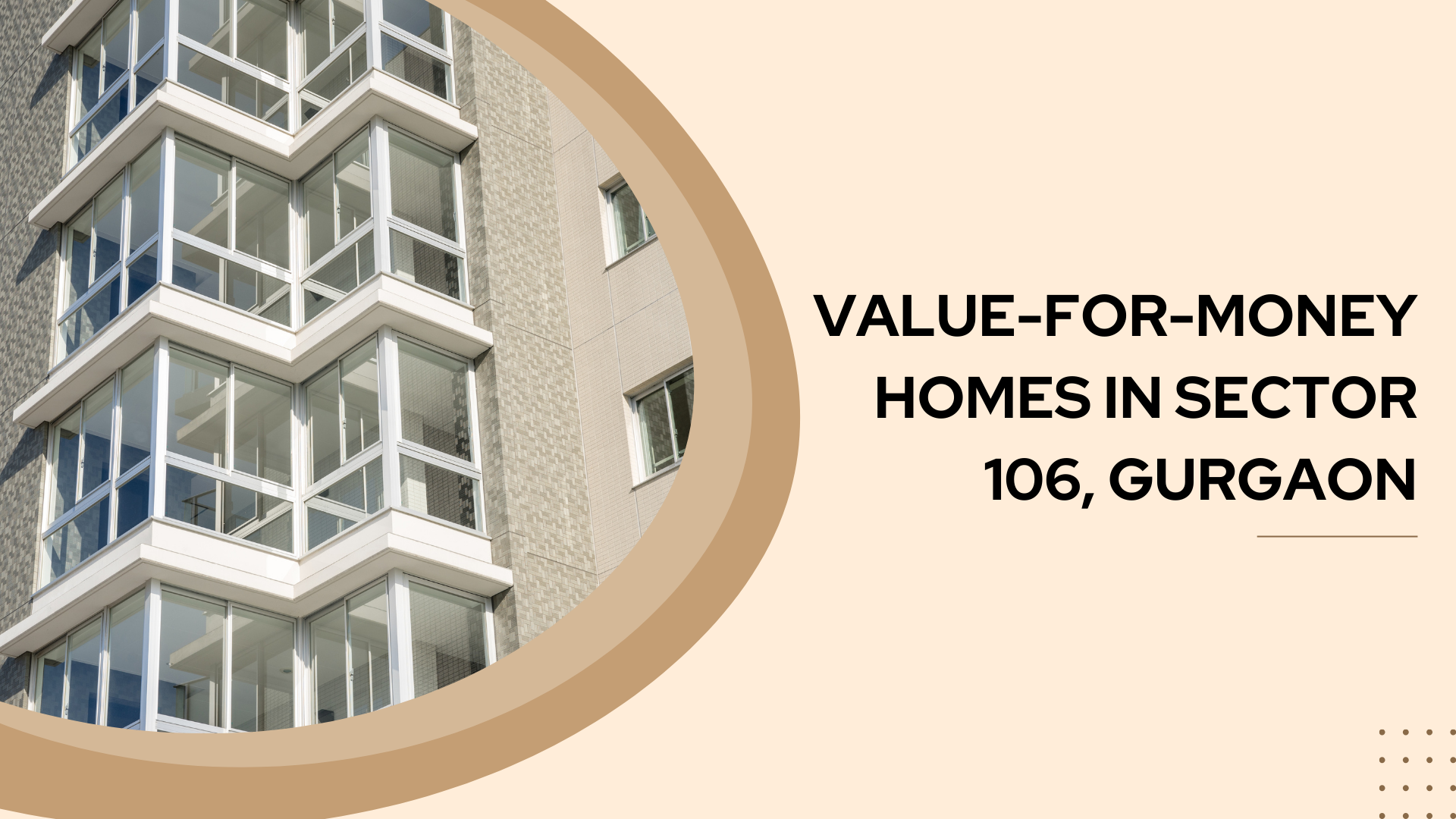
Sector 106 Gurgaon is emerging as a smart choice for homebuyers seeking affordability without losing connectivity. Located near the Dwarka Expressway, this area offers budget-friendly housing projects
View More
This New Gurgaon location offers affordable entry points today and promising appreciation in the future. Discover why investing in land here can be a smart and flexible real estate decision.
View More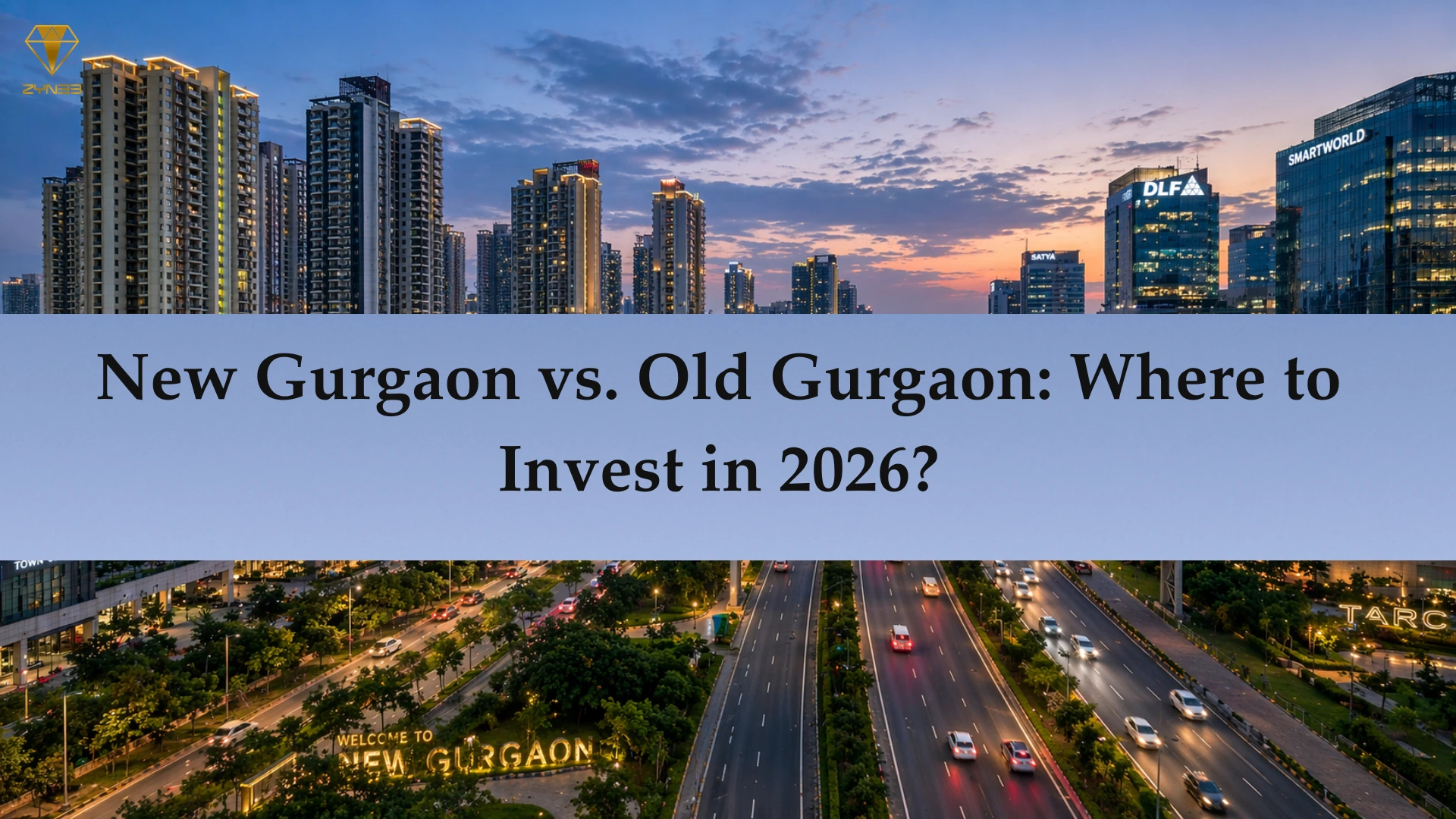
In Gurgaon, the 2026 investment choice between New and Old corridors depends on capital goals. New Gurgaon, driven by Dwarka Expressway and Southern Peripheral Road, offers strong appreciation potential over 3–7 years. Old Gurgaon ensures stability, rental yield, and liquidity. A balanced “barbell strategy” combining both markets helps investors achieve growth, income, and risk diversification efficiently.
View More
Sohna Road in Gurugram has transformed from a remote area into a fast-growing real estate hotspot. Yet land prices remain lower than other premium Gurugram areas, making it an attractive opportunity for buyers.
View More