
Want to know which Gurgaon sectors guarantee the best footfall? This detailed guide covers footfall patterns, high-performing micro-markets, location criteria, and practical tips to increase walk-ins for any shop or commercial space.
Footfall is like oxygen for any shop or commercial space because the more people who walk in, the more your brand gets noticed, the more sales you can make, and the stronger your property value becomes over time. In Gurgaon, people do not move around randomly. Their movement follows certain patterns. Most of the daily crowd gathers around places like metro stations, busy roads, large office areas, big residential societies, schools, colleges, hospitals and popular lifestyle spots.
Certain sectors and micro-markets in Gurgaon consistently outperform others when it comes to walk-in potential. Understanding these patterns helps businesses choose the right location, investors identify high-yield properties, and brands plan long-term expansion.
In the sections ahead, you will understand which sectors and areas in Gurgaon usually get the highest and most consistent footfall, why these places perform so well, and how you can choose the best spot for your business.
Gurgaon has everything packed into one place: big office complexes, huge residential societies, popular malls and busy markets. Because so many people live, work and shop here every day, businesses automatically get a steady flow of visitors. This creates both weekday traffic (from office workers) and weekend traffic (from families and shoppers). Footfall in Gurgaon isn’t just from one type of crowd. It includes:
High footfall directly increases the value of the property. Shops in high-footfall areas earn more, give better rental returns, and sell at higher prices later. For businesses like restaurants, cafés, retail outlets, salons or service centres, footfall can be the deciding factor between average and excellent performance.
Sectors & Micro-Markets with the Best Footfall Potential
| Sector / Micro-Market | Footfall Type | Why Footfall is Strong | Best Business Types | Key Features |
|---|---|---|---|---|
| Cyber City & DLF Phase 2/3 | High weekday (office crowd) | Large corporate offices, tech parks, metro connectivity | QSRs, cafés, convenience retail, cloud kitchens | Dense employment, premium spending, strong lunch traffic |
| MG Road Corridor | Balanced day + evening | Metro line, malls, offices and residential mix | Retail brands, salons, restaurants, service outlets | Transit movement + lifestyle footfall |
| Golf Course Road | Premium steady footfall | High-income residential clusters + offices | Fine dining, luxury retail, wellness, boutique studios | Strong purchasing power, brand visibility |
| Golf Course Extension Road | Growing balanced footfall | Rapid residential occupancy, schools, retail hubs | Neighbourhood retail, cafés, clinics, supermarkets | High end-user density, long-term growth |
| Sohna Road (Sector 47–49 belt) | Strong local daily footfall | Large societies, offices, schools | Daily retail, family dining, fitness, services | Repeat customers, mid-premium spending |
| Dwarka Expressway (Sectors 111–113, 108) | Emerging high upside | Massive residential launches, airport proximity, infrastructure | Franchise retail, F&B chains, branded showrooms | Future premium corridor, NRI demand |
| Sector 29 & Leisure Valley zone | Evening + weekend peak | Restaurants, breweries, entertainment cluster | Dining, nightlife, experiential retail | Destination footfall, long dwell time |
| Major Mall Zones (Ambience / Ardee / Sapphire belts) | Weekend heavy | Aggregated city-wide visitors | Retail brands, entertainment, family dining | High dwell time, strong brand exposure |
| Metro Node Markets (HUDA City Centre, Sikanderpur) | Constant transit footfall | Commuter movement throughout the day | Grab-and-go retail, kiosks, cafés, services | High visibility, impulse buying |
| Education & Hospital Clusters (Sector 14, 15, 56 pockets) | Steady niche | Students, patients, staff daily | Pharmacies, affordable F&B, stationery | Predictable repeat demand |
Before choosing the top sectors, it helps to understand the checklist used to evaluate footfall. You can also use these points whenever you analyse any market in Gurgaon.
Day vs. evening footfall balance
Different areas peak at different times. Office hubs are busiest during weekdays and office hours, while residential and lifestyle zones get the most traffic during evenings and weekends. The best locations usually have a healthy mix of both steady weekday business and strong weekend crowd.
For many NRIs, India real estate remains one of the safest and most reliable investment options. Property values in strong cities like Gurgaon tend to grow steadily over time. This makes NRI property investment a good choice for long-term wealth creation. NRIs often look for assets that offer both capital security and good returns. Real estate in India provides this balance. With the right location, investors can benefit from long-term appreciation and also earn rental income. This improves overall NRI real estate returns compared to many overseas markets.
Today, it is also much easier to invest in India from abroad. NRIs can shortlist properties online, attend virtual site visits, and complete documentation digitally. Many developers and platforms offer dedicated NRI support for paperwork, legal checks, and registration. Regulations such as RERA and H-RERA have improved transparency in the real estate market. These rules protect buyer interests and reduce the risk of delays and misinformation. This gives overseas buyers more confidence when they invest remotely. For NRIs who want stable growth, long-term value, and a tangible asset in India, real estate remains a strong and practical investment choice.
How to Increase Footfall After You Open
Getting a good location is only half the job. The real growth starts once you begin attracting people consistently. Here are practical and easy ways to boost footfall after launching your business.
Pitfalls to Avoid
Choosing the wrong location can drain your investment fast. Here are the common mistakes people make and how to avoid them:
Final Thoughts
Gurgaon is a city that rewards smart planning. Itis necessary to take time to study footfall trends and align them with your target audience. If you do this, you're already ahead of most businesses. Choosing the right sector can turn an ordinary opportunity into a high-performing success story. In a city that's constantly evolving, the right location isn't just an address it's your competitive edge.

Sector 89 Gurugram has evolved from an emerging pocket to a structured residential hub near the Dwarka Expressway. This data-driven guide breaks down price trends, rental yields, infrastructure impact, and whether you should buy now or wait in 2026.
View More
Discover luxury living at Twin Tower DXP by Signature Global featuring smart homes, a 60,000 sq ft clubhouse, excellent connectivity, and a high potential investment opportunity.
View More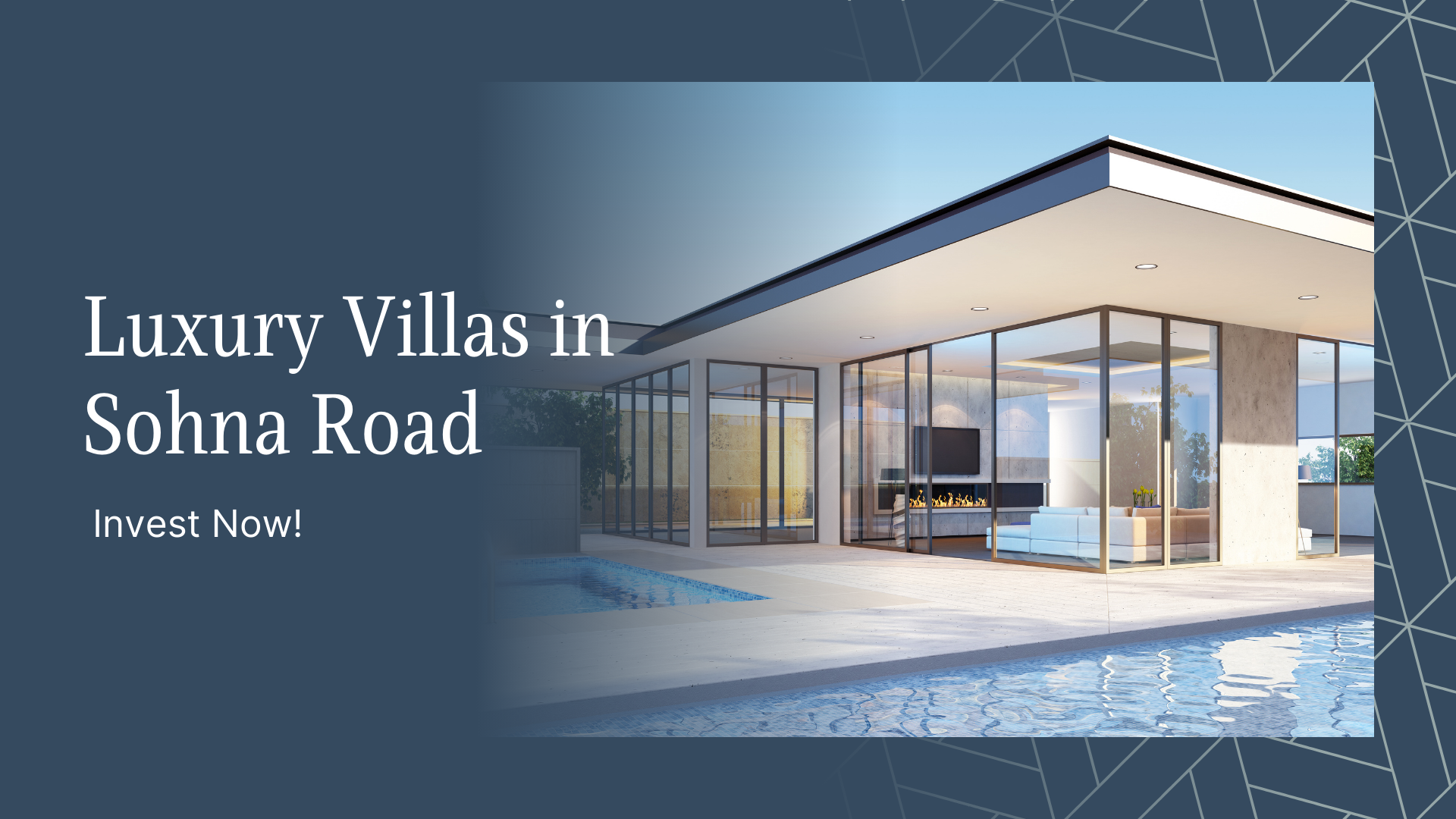
Looking for space, privacy, and strong returns in Gurugam? Luxury villas near Sohna Road offer the perfect mix of peaceful living and long-term wealth creation.
View More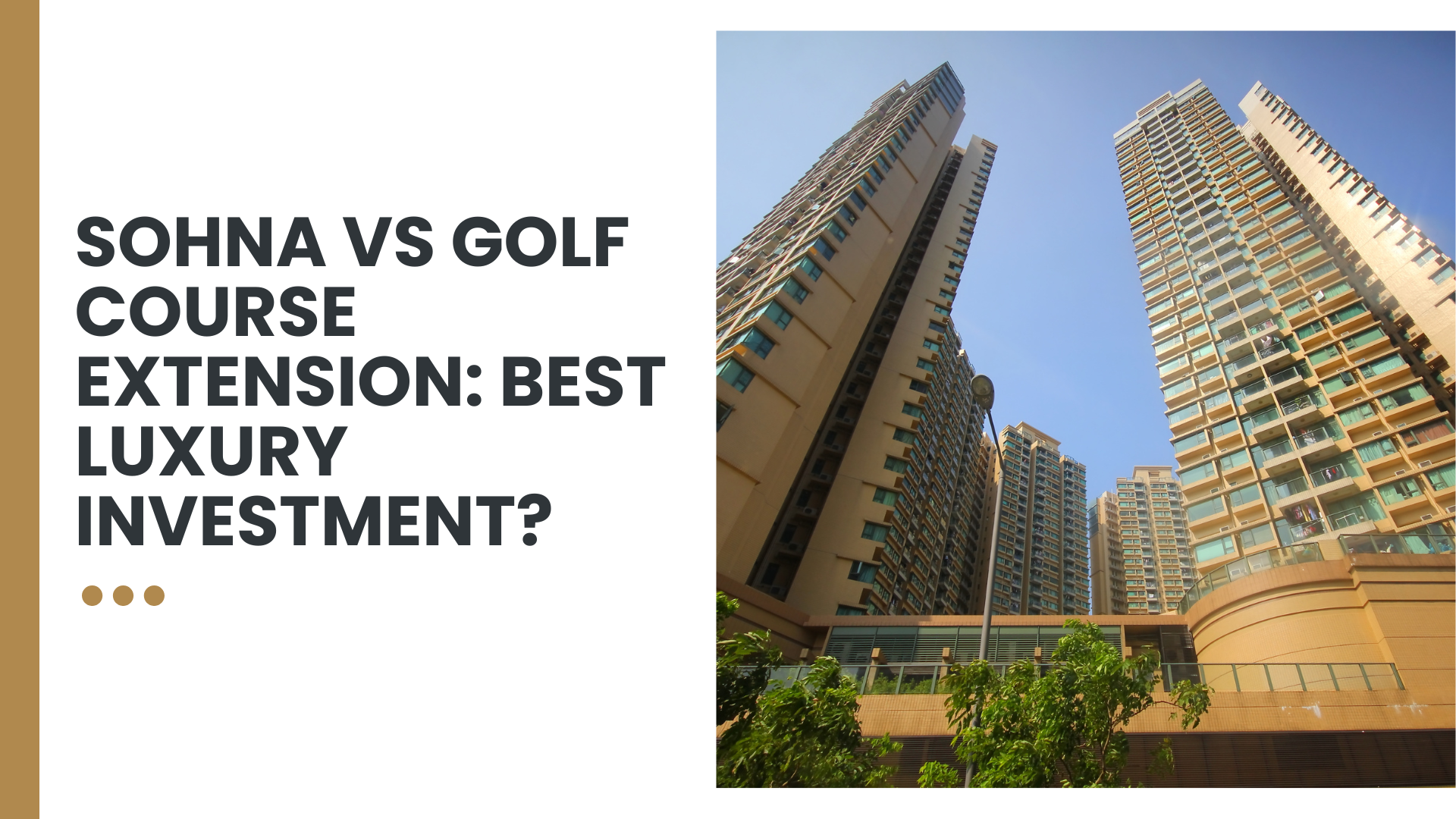
Confused between Sohna and Golf Course Extension Road for luxury property investment? This detailed guide compares prices, appreciation, lifestyle, amenities, and connectivity to help you decide which Gurugram location offers better luxury and higher future returns.
View More
Homebuyers today want more than just a house. They want healthier, greener and more balanced living. Gurgaon’s new wellness-home trend is redefining modern lifestyles with open spaces, walkability and lifestyle amenities that support everyday well-being.
View More
Sector 106 Gurgaon is emerging as a strong plot destination with good connectivity, steady price appreciation, and long-term potential for buyers and investors.
View More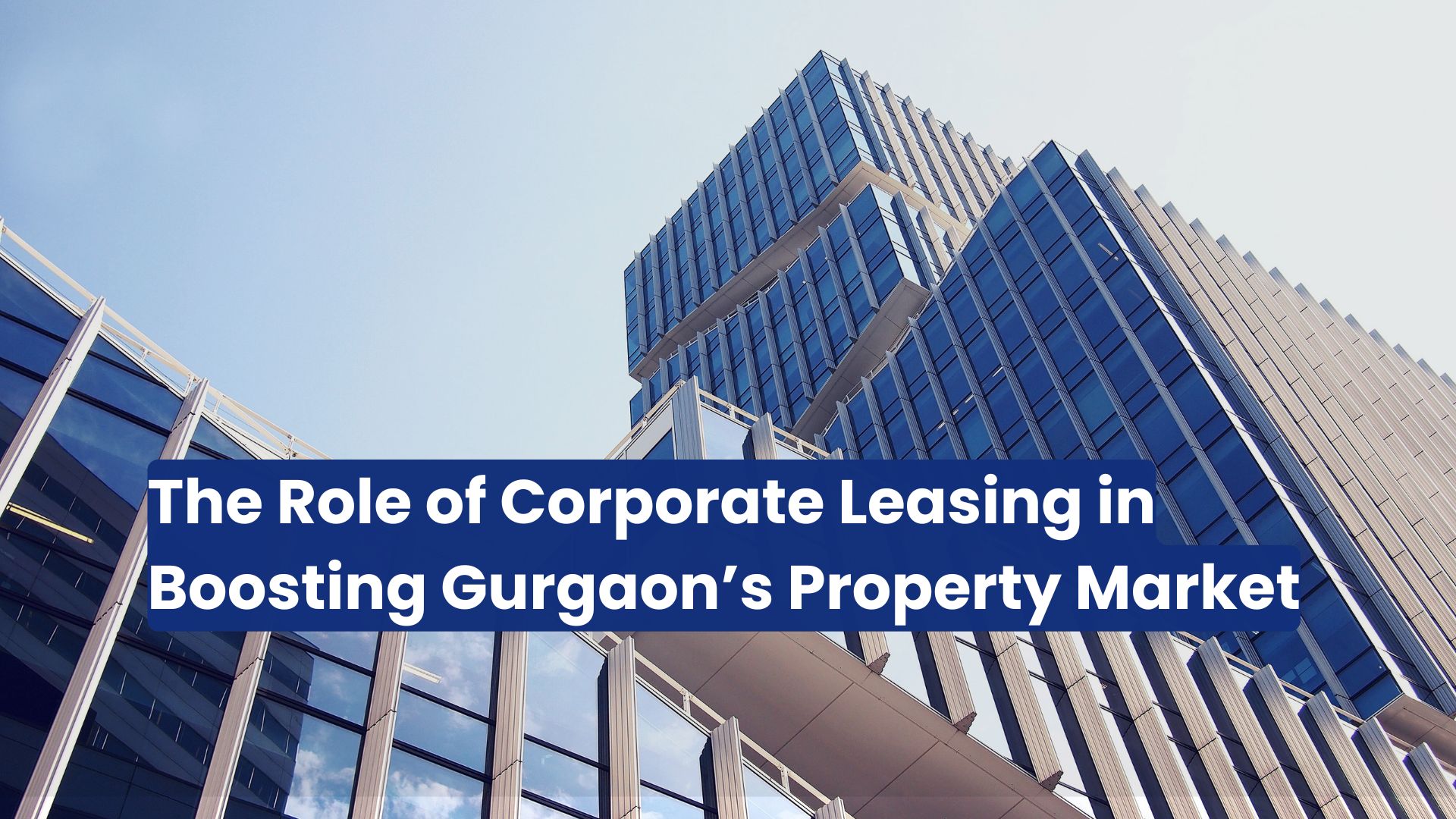
Corporate leasing is transforming Gurgaon by attracting companies, generating stable rentals and creating strong demand for homes around office hubs.
View More
Sector 89 Gurugram has evolved from an emerging pocket to a structured residential hub near the Dwarka Expressway. This data-driven guide breaks down price trends, rental yields, infrastructure impact, and whether you should buy now or wait in 2026.
View More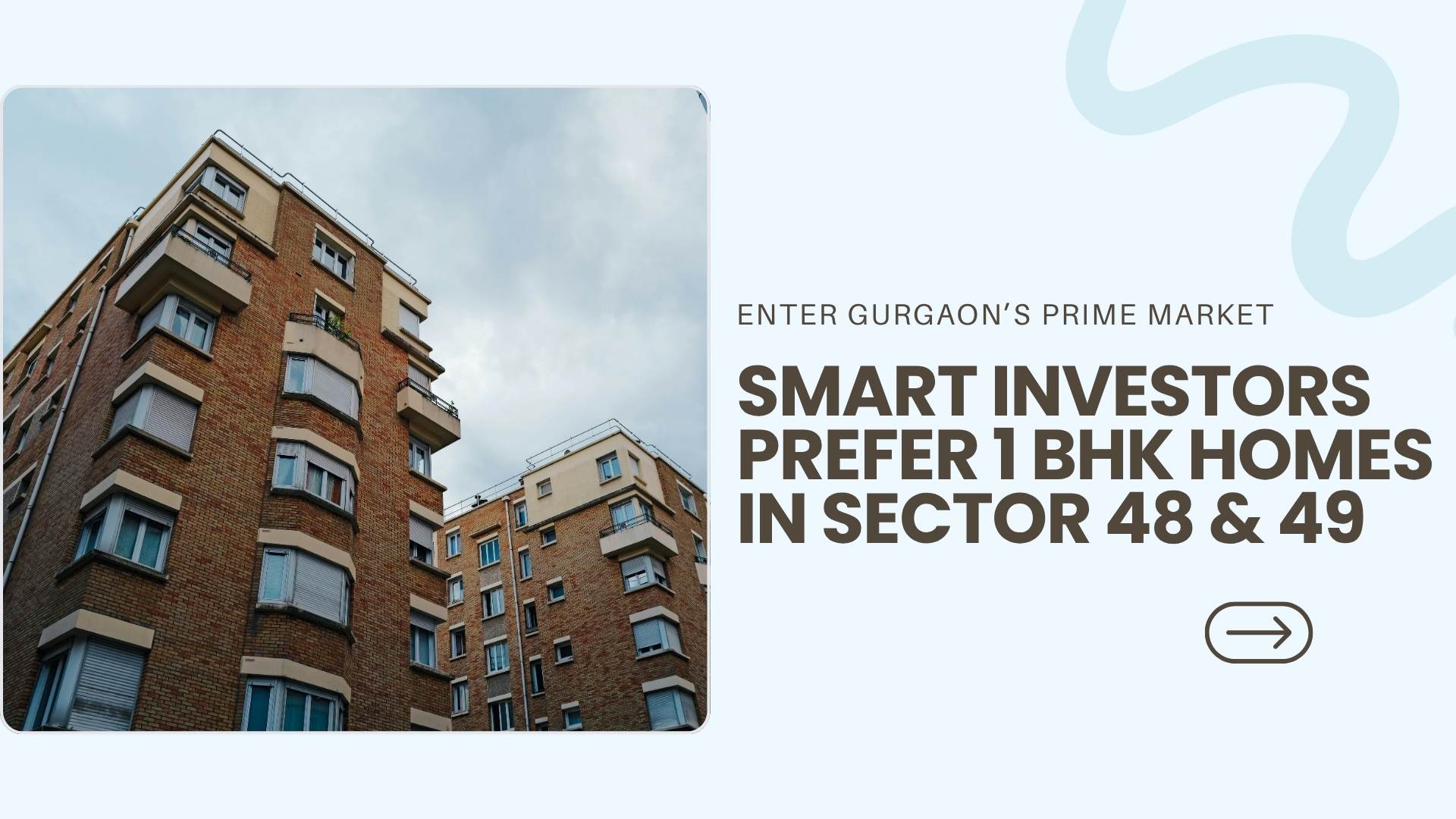
1 BHK apartments in Gurgaon’s Sector 48 and 49 combine affordability with long-term growth. Backed by solid infrastructure, high rental potential, and easy resale, they’re ideal for first-time investors entering the real estate market.
View More